
A Reality Check Before You Pack Your Bags
But while the dream of studying abroad often begins with excitement, the real challenges start once you begin preparing to live there. The first question that often pops up after receiving your offer letter is: “Where will I live, and how will I manage?”
This blog gives you an in-depth and realistic picture of what to expect in terms of housing, campus life, and adjustment as a student in Europe — the good, the tough, and everything in between.
Housing: The First Big Hurdle
Let’s be honest, housing is one of the most stressful parts of moving abroad. The housing crisis is everywhere, especially in popular university cities. Demand is high, supply is limited, and affordable options get booked within weeks.
Whether it’s Berlin, Dublin, Paris, or Milan, international students often find it difficult to get budget-friendly accommodation close to campus. On-campus hostels are the most convenient and affordable option, but they are limited and fill up fast. Private housing, while more flexible, can be expensive and sometimes far from the university.
Average Student Housing Costs (Per Month)
- Germany: €350–€600
- France: €400–€700
- Spain / Italy: €300–€550
- Ireland: €700–€1,000
As Experts at Eduwire, We Would Suggest
- Apply for your university hostel or dormitory as soon as you receive your offer letter. Early applications give you the best chance of securing a room on campus.
- A hostel is perfectly fine, especially when you are new. It is safe, social, and ideal for settling in during your first few months. You will meet students from across the world, share experiences, and adjust faster.
- If you don’t find a hostel immediately, don’t panic and don’t rush into renting online. It is always better to visit in person and see the place yourself before finalising anything.
- We always recommend students to book an Airbnb for the first three to four days after arrival. This short stay gives you time to explore, visit potential accommodations, and choose what feels right and safe for you.
- Also, when shortlisting housing options, make sure that a bus stop or public transport facility is available nearby. It will save you a lot of time and money in the long run.
- Get guidance from locals or senior international students. They often know trustworthy landlords and areas where rent is reasonable.
Tip: If you end up booking something other than a hostel, always verify the listing through your university’s official housing office or well-known student housing websites. Never pay large deposits online without signed contracts.
Campus Life: More Than Just Classrooms
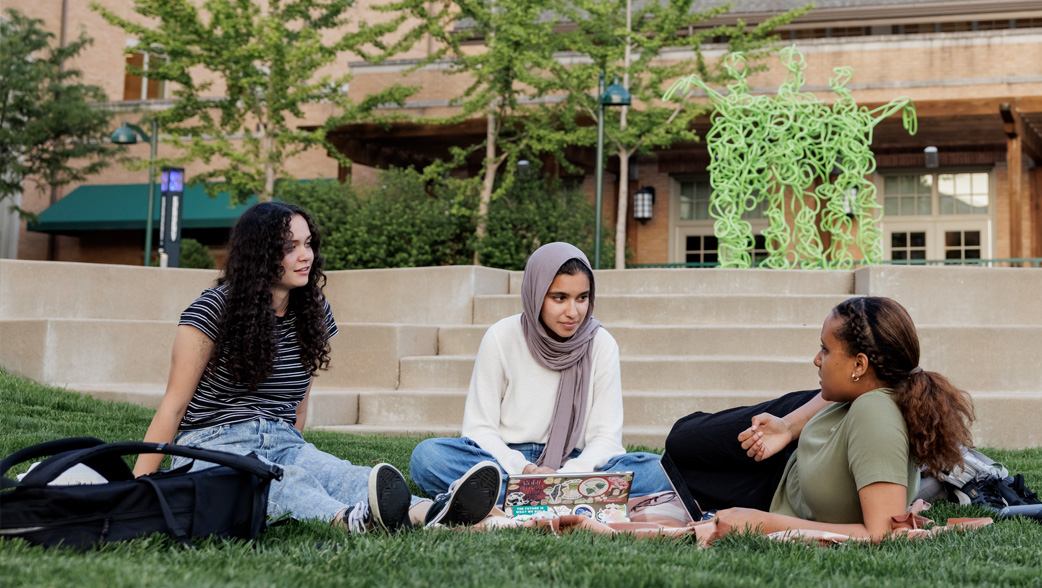
Life at a European university is a beautiful mix of academics, diversity, and creativity. Every campus is buzzing with ideas, innovation, and opportunities to grow both personally and professionally.
European universities encourage students to think independently, interact freely, and participate in social and cultural activities. The environment is open, inclusive, and engaging.
What to Expect
- You will have classmates from across the world, making your experience multicultural and globally enriching.
- Professors are approachable and encourage discussions instead of one-sided lectures.
- There are multiple clubs and societies catering to every interest, whether it’s art, entrepreneurship, sports, or music.
- Students also have the option to work part-time, usually up to 20 hours per week, which helps in managing daily expenses and gaining valuable experience.
Our Suggestion
Join international student associations such as the Erasmus Student Network. These groups regularly organise events, trips, and social gatherings that help you make friends and settle faster in a new city. Engaging in these activities not only helps you network but also boosts your confidence in an international environment.
Adjusting Socially and Culturally
Europe is known for its cultural richness and diversity. Each country, and even each city, has its own charm and lifestyle. From the café culture of France to the discipline of Germany, from the lively evenings of Spain to the calm atmosphere of Ireland, every experience adds a new layer to your journey.
Cultural Adjustment Tips
- Learn a few basic phrases in the local language. Simple greetings or polite expressions can make a big difference and help you connect better.
- Try local food and embrace new traditions. Being open to cultural experiences makes you feel more at home.
- Respect local customs, punctuality, and social norms. Europeans appreciate politeness and mutual respect.
- Take time to explore your surroundings. Visit museums, parks, and historical sites. They tell you a lot about the country’s history and values.
Social Tips
- Attend your university’s orientation program and participate in welcome events. It’s a great way to meet other international students.
- Join online groups or communities for students in your city. Many universities have dedicated forums or WhatsApp groups where students share tips and experiences.
- Don’t isolate yourself. It’s natural to feel homesick or overwhelmed in the beginning, but remember that everyone is going through the same process of adjustment.
Academic Adjustments: Learning the European Way
Education in Europe focuses on critical thinking, independent learning, and creativity. Classes are designed to encourage students to question, analyse, and participate actively rather than simply memorising facts.
Be Prepared For
- Fewer classroom hours and more self-study time. You will be expected to research, read, and prepare before each class.
- Active participation in discussions, debates, and group presentations.
- Strict deadlines for assignments and projects that must be met without delay.
To Adapt Smoothly
- Stay proactive and ask questions whenever you feel stuck. Professors appreciate curiosity and initiative.
- Manage your time wisely. Use planners or digital calendars to track your submissions and exams.
- Be punctual and disciplined in your academic routine. These qualities are highly valued in European institutions.
- Seek academic support from student help desks or writing centres if needed. They provide free assistance with assignments and language improvement.
Final Thoughts: Learn, Live & Explore
Studying in Europe is much more than earning a degree. It is an experience that helps you grow as a person, build resilience, and gain a deeper understanding of the world. The first few months might seem challenging, especially when you are adjusting to a new lifestyle, culture, and academic pattern, but these are the moments that make you stronger.
With its high-quality education, welcoming environment, and global exposure, Europe gives students an opportunity to shape their future in a truly international setting. You will learn to be independent, adapt to new environments, and develop skills that last a lifetime.
So as you get ready to start your journey, remember this — every challenge you face abroad is a step towards becoming a more confident version of yourself.
Study smart. Live smart. Grow globally with Eduwire.

.gif)


